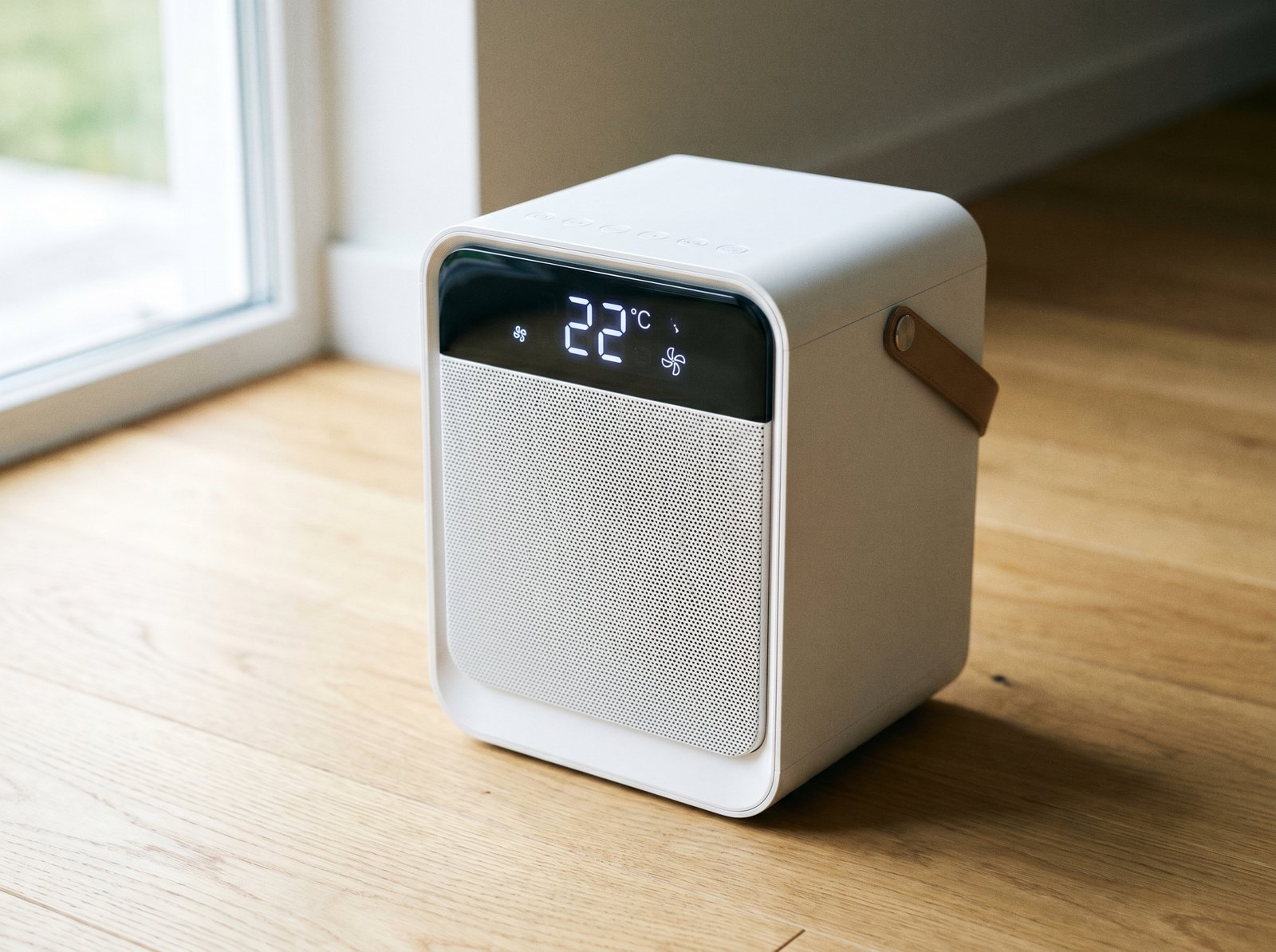
Portable AC Coolizi is built around one simple idea: you should be able to create the perfect temperature in the room you're actually in, without rewiring the house, fighting over a thermostat, or waiting for a central system to catch up.
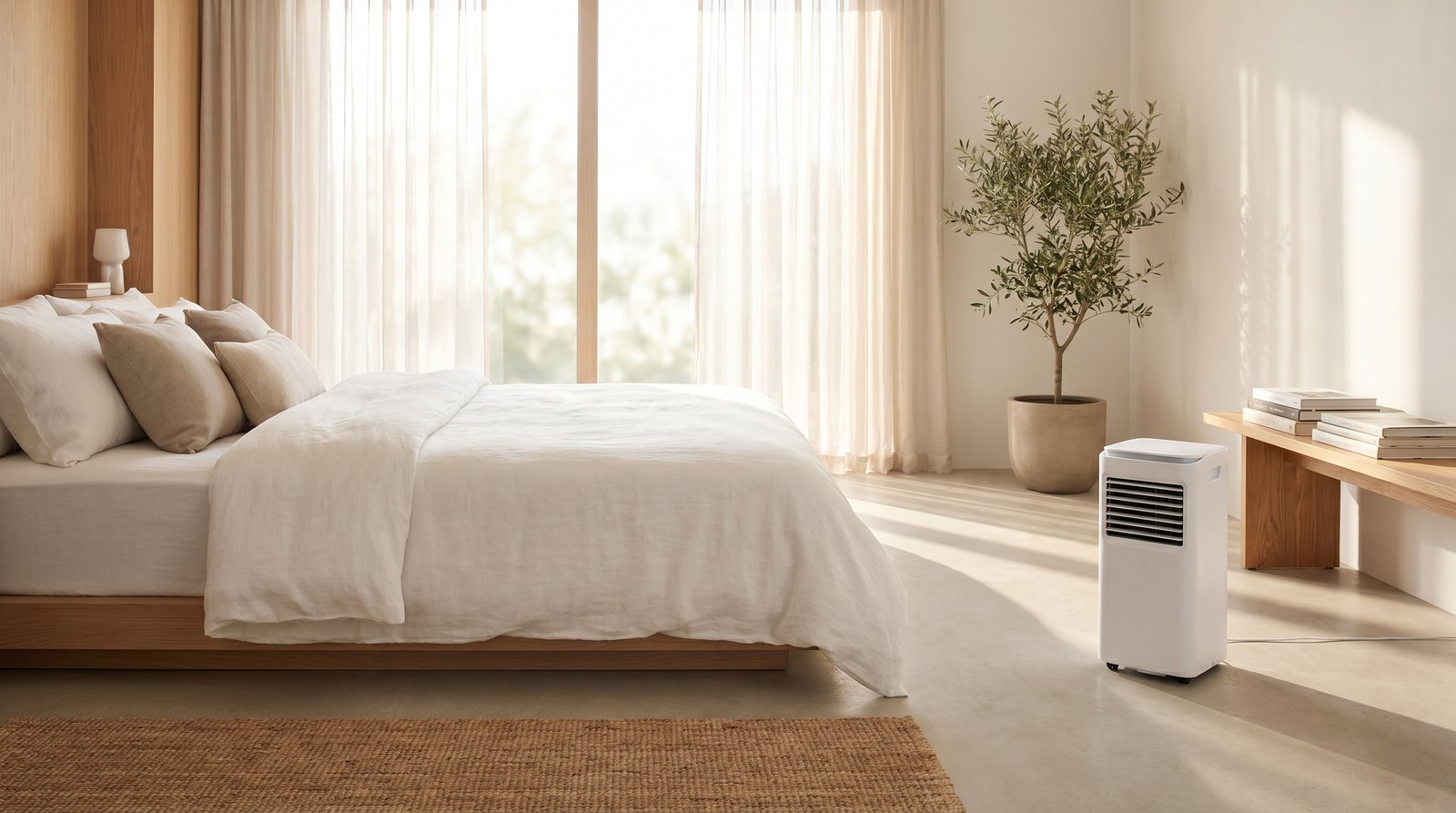
For most modern households, the question is no longer "how do I cool my entire home" — it's "how do I make this room, where I actually spend my time, perfectly comfortable right now."
The promise of central air is that it can cool every room at once. In practice, it cools every room at once — including the ones nobody is in. For a household where two people work from a home office, one studies in a bedroom, and the rest of the rooms stand empty, that's a lot of energy spent on nobody.
Personal cooling flips the model. The device that cools your space follows you — to the desk in the morning, the bedroom at night, the kitchen during dinner. You cool only the air you're actually breathing, and the rest of the house gets to rest too.
Portable cooling has a reputation for being complicated. Modern designs have earned a different reputation — one of quiet operation, fast setup, and minimal maintenance. Here's the basic flow.
Most modern portable coolers arrive almost ready to run. A short hose routes the warm exhaust out through a window, sliding door, or dedicated vent. The internal water reservoir is filled once, and the device is positioned wherever you need it most. The whole process usually takes under fifteen minutes — no technician, no tools beyond a screwdriver.
Once running, the device responds to a small remote or simple onboard controls. Adjust the temperature, change the fan speed, set a timer, or let it run on auto. The whole interaction is designed to disappear into the background of your day.
A well-designed portable cooler changes the texture of an ordinary day. Mornings feel less sticky. Afternoons feel less heavy. Nights feel less restless. The change is small, but it shows up in every room of the house.
The best kind of cooling is the kind you stop noticing. You walk into a room and it just feels right. The air is moving gently. The temperature matches your body. There is no hot corner, no clammy patch, no loud hum from a struggling window unit. The space simply lets you forget about the weather outside.
Over days and weeks, that small absence of discomfort adds up. Sleep comes easier. Concentration lasts longer. Mood lifts slightly. It is not a miracle — it is the quiet, compounding benefit of being comfortable in your own home.
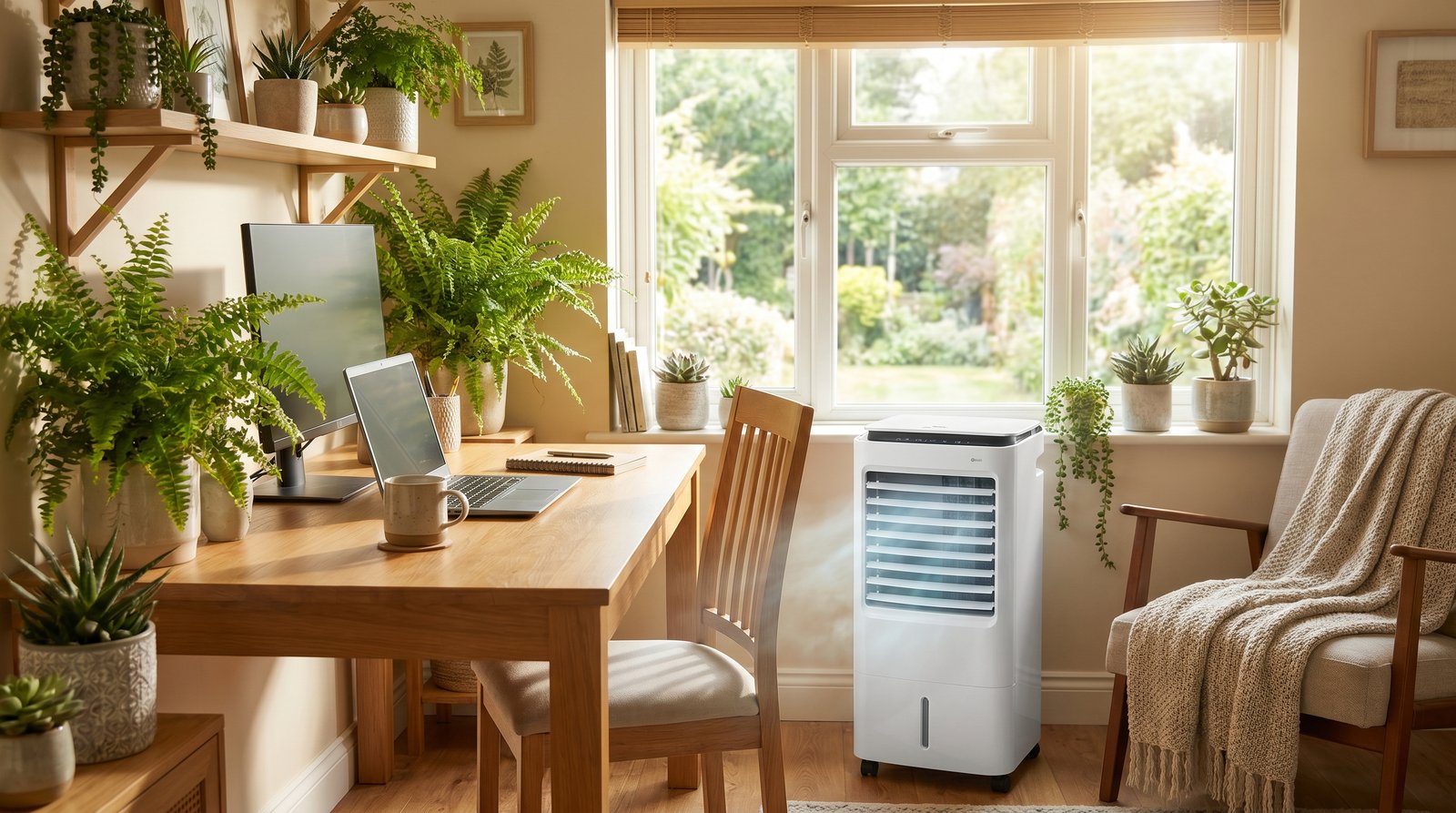
The flexibility of a portable unit is what makes it shine in unusual situations — a converted attic office, a nursery that needs extra attention, a small workshop, a holiday rental that wasn't designed with central air in mind.
Renting an apartment without central air? A portable cooler levels the playing field. Working from a converted loft or garage that wasn't built for climate control? A portable unit solves the problem in an afternoon. Hosting a summer dinner in a sun-room that never quite cools down? Bring the device in for the evening and roll it away when guests leave.
This is the kind of flexibility that fixed systems simply cannot match. A portable cooler is an investment in your comfort that you can take with you — to a new apartment, a new city, a new phase of life.
The Portable AC Coolizi approach rests on three principles that guide how we think about personal cooling, recommendation, and design.
The best cooling is the kind that doesn't announce itself. Modern portable units are engineered to stay under conversation-level volume, day and night.
No contractors, no drilling, no permanent commitment. A portable cooler is a household upgrade that respects the household — installed in minutes, removed in seconds.
Cooling only the air you're actually using means less energy, smaller bills, and a lighter demand on the grid during the hottest weeks of the year.
That is the future we believe in. A future where comfort is personal, flexible, and quietly efficient — and where the device that gives it to you fits into the life you actually live, not the one a builder designed thirty years ago.
About our approach